 TenorOps
Food Safety
Free Ontario Inspection Readiness Check for Restaurants
Score your Ontario kitchen against what public health inspectors check under O. Reg. 493/17, from certified staff every hour to posted results.
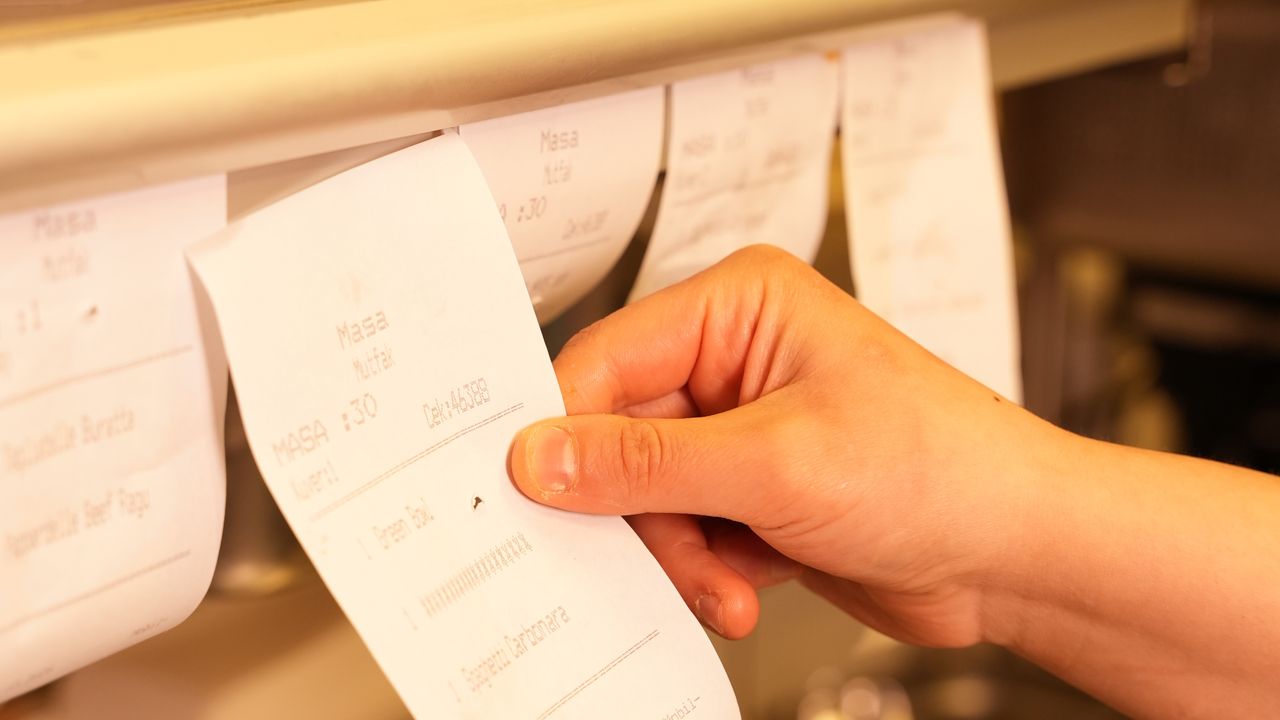
One regulation, many health units
Ontario has a lot of public health units, and from the outside they can look quite different. Toronto runs DineSafe and puts its results on a searchable map, while other units share results in their own way. Underneath all of it sits one provincial regulation, O. Reg. 493/17: Food Premises, made under the Health Protection and Promotion Act. A public health inspector in Thunder Bay and one in Toronto are checking the same rules.
That consistency is useful if you run more than one location, or if you've moved from one city to another and wondered whether you need to relearn everything. Mostly you don't. The standard your kitchen is held to is provincial.
We built the Ontario inspection readiness check around that shared rulebook. It asks about a dozen questions, takes about three minutes, and gives you a score out of 100 straight away, with the gaps that cost you the most points listed first.
The rule that catches kitchens at 7 a.m.
Ask an Ontario operator about food handler certification and most will say they have someone certified. The question is when.
Section 32 of the regulation says the operator of a food service premise must make sure there is at least one food handler or supervisor on the premises who has completed food handler training "during every hour in which the premise is operating." Every hour. Not every shift, and not just the busy ones.
That wording is where kitchens get caught. The certified sous chef works 11 to 9, which feels like full coverage until you remember the prep cook who unlocks at 7 and the closer who mops until midnight. Those quiet hours at either end of the day are the easiest to leave uncovered, because nobody thinks of them as service.
The training itself has to come from a local board of health or a program the Ministry of Health recognizes as equivalent. The check asks about this rule first, and if your answer shows gaps, the fix plan starts with laying the schedule out hour by hour. If you want the background on courses, exams and certificates, our Ontario food handler training guide goes into it.
Two smaller rules worth a look
Both are easy to miss and quick to fix.
Posting your result. Section 6 requires operators to make sure inspection results are posted the way the inspector asks. In Toronto that means the green, yellow or red DineSafe notice. An old notice left up, or a new one sitting in the office drawer, doesn't meet the rule. The Toronto DineSafe guide explains how that city's notices and infraction categories work.
Keeping purchase records. Section 29(2) requires records of food purchases to stay on the premises until at least the first anniversary of each purchase date. Supplier invoices are the obvious record. The trouble usually starts when invoices go straight to a bookkeeper or head office and nothing stays at the restaurant. If a supplier recalls a product, those records are how you and the health unit work out what came in and when.
How ready is your kitchen? Score it against Ontario's rules in about three minutes. Take the free check →
What the rest of the check covers
The other questions are the food safety basics an Ontario inspector looks at in any kitchen:
- daily fridge, freezer and hot-holding temperatures, written down
- how you cool soups, stocks and other cooked food in bulk
- handwashing sinks that are stocked and used only for handwashing
- how staff report illness, and whether sick staff stay off food
- sanitizer strength and dishwasher temperature or chemical checks
- a cleaning schedule that staff sign off
- storage order, covering and date labels
- allergen information staff can find
- pest checks and pest control records
Temperatures are where Ontario's rules are most specific. Section 27 requires potentially hazardous food to be held at 4°C or lower, or 60°C or higher, apart from limited time during preparation. Section 30 adds that the fridges and hot-holding units for that food need accurate thermometers that are easy to read. Checking those thermometers twice a day and writing the readings down is the simplest way to show the numbers hold.
Your score and the report
When you finish, you see a score from 0 to 100 and your top gaps on screen. The score is weighted, so a missing temperature log costs more than an old notice by the door. It's a self-check, not an inspection. It points you to the gaps to look at first and doesn't tell you how an inspector would rate you.
If you want more than the top gaps, enter your email and we'll send a full report covering every gap, a step-by-step fix plan for each one, and links to printable checklists. You can also open those checklists in a free TenorOps account.
For the full list of what Ontario inspectors look at, keep the Ontario restaurant food safety checklist open next to your results. If you have sites in other provinces, the national overview links every province and territory's check.
When you're ready, start the Ontario check. Answer for an ordinary week, not your best one.